
Youth Empowerment Guide for Young People
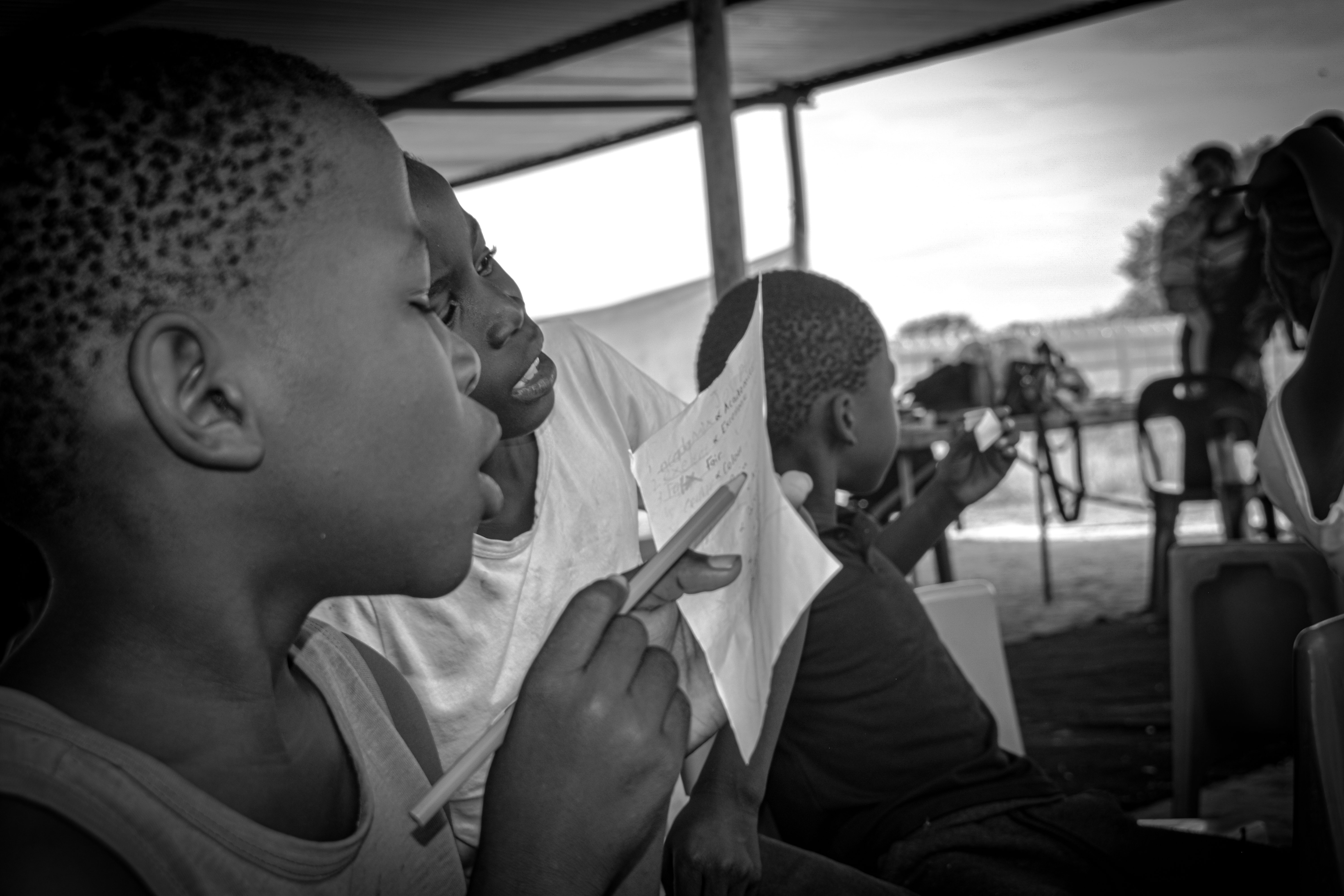
Around the world, young people face unique challenges and opportunities that shape their futures and the communities they live in.
We recognize the immense potential of youth as catalysts for positive change and innovation. Our mission is to empower young people by equipping them with the skills, confidence, and resources they need to take control of their lives and actively contribute to society.
By focusing on youth empowerment, we aim to nurture a generation of leaders who are resilient, informed, and passionate about driving community well-being and social equity.
This guide serves as a comprehensive resource for young people to understand empowerment, develop essential skills, and engage meaningfully in their communities, helping them to transform challenges into opportunities for growth and success.
Overview for Young People
Youth empowerment is a dynamic process through which young people, including children, gain the ability, authority, power, and confidence to make decisions and implement change in their own lives and communities.
It involves equipping youth with the skills, resources, and opportunities necessary to take control of their futures and become active contributors to society.
Empowering youth is essential because it helps them develop a positive sense of self, build resilience, and navigate the challenges they face in today’s world.
Research shows that youth empowerment leads to improved mental health, higher academic achievement, and stronger community involvement.
According to the United Nations, empowering young people is critical to achieving sustainable development goals, as youth represent nearly 1.8 billion people worldwide, making up about 25% of the global population.
When youth are empowered, they can achieve greater community well-being, promote social equity, and drive innovation. Youth empowerment is often addressed as a gateway to intergenerational equity and civic engagement.
Empowerment Theory and Principles
Empowerment theory focuses on processes that enable individuals and communities to gain control over their lives by enhancing their capacity to make choices and transform those choices into desired actions and outcomes.
The core principles include participation, critical awareness, shared decision-making, and access to resources.
In the context of youth empowerment, these principles translate into creating environments where young people can develop leadership skills, build healthy relationships, and engage in meaningful community service.
Psychological empowerment, a key dimension, enhances an individual's consciousness, belief in self-efficacy, awareness, and knowledge of problems and solutions.
Empowerment theory aligns closely with positive youth development, which emphasizes fostering competencies such as confidence, connection, character, and contribution.
Youth empowerment examines six interdependent dimensions:
- psychological,
- community,
- organizational,
- economic,
- social, and
- cultural.
Youth Empowerment Programs
Program Types and Settings
Youth empowerment programs vary widely but generally aim to build skills, foster leadership, and encourage civic engagement. Common types include:
- Leadership development programs that teach decision-making and communication skills.
- Community service initiatives that involve youth in local projects.
- Advocacy and youth rights programs that encourage young people to speak up on issues affecting them.
- Economic empowerment programs that provide entrepreneurial training and financial literacy.
- Sport-based programs that use sport to promote education, skills development, and community engagement.
These programs operate in diverse settings such as schools, nonprofit organizations, community centers, and online platforms, with schools serving as key venues where youth engage with local leaders, participate in decision-making, and develop essential skills.
Youth often participate as part of a team in these programs, fostering collaboration, teamwork, and a sense of community impact.
These initiatives ensure accessibility for youth from different backgrounds, and creating safe and inclusive spaces is essential prioritizing accessibility for marginalized groups, including students of color and youth with disabilities.
Designing Youth Empowerment Programs
Effective youth empowerment programs are designed with intentional youth-adult partnerships, where adults serve as mentors and facilitators rather than directors. Inclusive recruitment practices are vital to ensure participation from youth representing various social, economic, and cultural groups.
Steps to design these programs include:
- Assessing community needs and youth interests.
- Setting clear goals aligned with empowerment dimensions like psychological and social empowerment.
- Developing activities that build skills and encourage youth leadership.
- Creating supportive environments that foster trust and respect.
Measuring Impact of Programs
Measuring the success of youth empowerment programs involves evaluating outcomes such as increased self-efficacy, improved social skills, and enhanced community involvement.
Simple evaluation tools like surveys, focus groups, and reflective journals can track progress.
Quality of Life (QOL) metrics, including educational attainment, and social connectedness, are commonly used to assess long-term impact.
Leadership Development to Develop Skills
Leadership development within youth empowerment programs focuses on cultivating skills such as effective communication, teamwork, problem-solving, and ethical decision-making. Exercises may include role-playing, public speaking workshops, and peer mentoring.
Setting short-term skill goals helps participants experience tangible growth, increasing their confidence and readiness to take on leadership roles in their communities.
Community Service and Civic Engagement
Community service projects provide youth with opportunities to apply their skills and make meaningful contributions. Planning such projects involves identifying community needs, setting objectives, mobilizing resources, and reflecting on the impact.
Engaging in civic activities fosters a sense of responsibility and connection to society, encouraging youth to become active citizens and advocates for positive change.
Overcoming Challenges as a Young Person
Navigating the journey from adolescence to adulthood comes with its own set of challenges, from academic pressures to social expectations and the uncertainty of future career paths.
Youth empowerment solutions are designed to help young people overcome these obstacles by equipping them with the skills, resources, and support they need to thrive.
Through youth empowerment programs, young people gain access to education, leadership development, and employment readiness training, all of which are essential for building confidence and achieving success.
Empowering youth means more than just teaching skills it’s about fostering healthy relationships, encouraging community service, and promoting community well-being.
By participating in these programs, youth learn effective decision-making, problem-solving, and communication, which are crucial for overcoming challenges and creating positive environments for themselves and those around them.
With the right support and opportunities, young people can develop into healthy adults, make meaningful contributions to society, and become leaders who inspire others.
Ultimately, youth empowerment programs help young people transform challenges into opportunities for growth, development, and lasting impact.
Building Confidence for Empowerment
Confidence is the cornerstone of empowerment. For young people, building self-confidence is not just about feeling good it’s about developing the belief that they can make a difference in their own lives and in their communities.
According to empowerment theory, youth empowerment programs should focus on creating environments where young people are encouraged to take risks, learn from their experiences, and celebrate their achievements.
Mentorship, positive reinforcement, and opportunities for leadership development are key elements in building confidence.
Activities such as public speaking, teamwork exercises, and decision-making challenges help youth develop essential skills and a strong sense of self.
By practicing these skills in a supportive environment, young people become more empowered to set goals, overcome challenges, and pursue success.
Youth empowerment programs that prioritize confidence-building not only help young people develop the skills they need, but also foster a mindset of resilience, self-efficacy, and hope for the future.
Effective Communication Skills
Effective communication is a vital skill for youth empowerment, enabling young people to express their ideas, advocate for their needs, and build healthy relationships.
Youth empowerment programs that focus on communication skills help participants develop abilities such as active listening, public speaking, and conflict resolution.
These skills are essential for navigating social situations, accessing resources, and making informed decisions.
By engaging in group discussions, role-playing scenarios, and presentations, young people have the opportunity to practice and refine their communication skills in real-world contexts.
This not only boosts their confidence but also strengthens their ability to connect with adults, peers, and community members.
Strong communication skills open doors to education, employment, and leadership opportunities, empowering youth to become active contributors to their communities and to advocate for positive change.
Implementation and Partnership Strategies
Sustainable youth empowerment programs often rely on partnerships with schools, nonprofits, local governments, and businesses. Identifying funding sources such as grants and sponsorships is crucial.
Staff training ensures that facilitators are equipped to support youth effectively, promoting program longevity and success.
Case Studies and Examples Focused on Young People
The Youth Empowerment Foundation in India uplifts the underprivileged young generation by providing basic education and developing personality skills, helping youth grow in supportive environments.
Pots of Hope in Namibia reduces HIV vulnerability through education, income security projects, and community engagement activities such as food distribution at youth centers.
Urban 4-H in the United States engages families and youth in community development, focusing on economic and social empowerment, and creating spaces where youth grow through hands-on activities and positive mentorship.
The United Nations supports national policy development surrounding youth empowerment across five regions, promoting inclusive participation and leadership.
USAID has youth empowerment programs worldwide that promote civic engagement and expand access to education and employment opportunities.
The Allstate Foundation invests in empowering youth to serve and improve their communities through various initiatives.
The Commonwealth Plan of Action for Youth Empowerment encourages youth mainstreaming and contains action points for governments to support youth participation.
Comhairle na nÓg in Ireland encourages young people to participate in local issues affecting them and is recognized by the Irish Government.
These examples highlight the importance of culturally relevant programs and youth-led initiatives in achieving meaningful empowerment, and demonstrate how youth grow when provided with supportive, community-based opportunities.
Addressing Critiques and Limitations of Youth Empowerment
While youth empowerment programs offer significant benefits, it’s important to recognize and address their critiques and limitations.
Some critics point out that these programs can sometimes focus too narrowly on individual development, overlooking the broader systemic issues such as poverty, inequality, and social injustice that impact young people’s lives.
Others note that without a holistic approach, programs may not fully address the diverse needs and challenges faced by youth in different communities.
To create more effective and sustainable youth empowerment solutions, programs should strive to be comprehensive and inclusive.
This means not only providing access to education, employment, and healthcare, but also promoting advocacy, social justice, and community engagement.
By supporting young people in addressing both personal and societal challenges, youth empowerment programs can foster positive development and create lasting change.
Acknowledging these critiques allows us to continually improve our approaches, ensuring that all young people have the support and opportunities they need to thrive and contribute to a better society.
Resources and Next Steps for Young People
Lehikeng offers a variety of youth empowerment programs designed to help young people build skills, gain experience, and take active roles in their communities.
These programs focus on leadership development, community engagement, and practical training to prepare youth for future success.
Why wait to start making a difference? Lehikeng encourages young people to get involved now, offering accessible opportunities that foster growth, confidence, and meaningful contributions.
Their internship program provides hands-on experience, mentorship, and professional development, giving youth a chance to explore career paths while making a positive impact.
By participating in Lehikeng’s programs and internships, young people can develop essential skills, build networks, and gain the confidence needed to thrive as empowered leaders in their communities and beyond.
Frequently Asked Questions (FAQ) about Youth Empowerment
What is youth empowerment?
Youth empowerment is the process of equipping young people with the skills, confidence, resources, and opportunities they need to take control of their lives, make informed decisions, and actively contribute to their communities and society.
Why is youth empowerment important?
Empowering youth helps build their confidence, develop leadership skills, foster healthy relationships, and encourage civic engagement. It supports their mental health and academic success while promoting community well-being and social equity.
What types of programs are available for youth empowerment?
Youth empowerment programs include leadership development, community service initiatives, advocacy and youth rights programs, and economic empowerment activities. These programs often take place in schools, community centers, nonprofits, and online platforms.
How do youth empowerment programs benefit young people?
These programs help youth develop essential life skills, improve self-esteem, build supportive relationships, and gain real-world experiences. They also provide a sense of belonging and purpose, encouraging active participation in community and civic life.
Who can participate in youth empowerment programs?
Youth empowerment programs are designed to be inclusive and accessible to young people from diverse backgrounds, including marginalized and underrepresented groups. Programs often emphasize equitable participation and supportive adult-youth partnerships.
How can communities support youth empowerment?
Communities can support youth empowerment by creating safe, inclusive spaces for youth expression, providing mentorship opportunities, involving youth in decision-making, and offering skill-building workshops and leadership roles.
What role do adults play in youth empowerment?
Adults act as mentors, facilitators, and partners who support youth leadership rather than directing it. They help create environments of trust and respect, enabling young people to develop their skills and confidence.
Where can young people find resources or get involved?
Young people can access resources and training through organizations like the University of Michigan’s Youth Empowerment Solutions (YES), the United Nations, and local community programs. These platforms offer toolkits, workshops, and opportunities for active engagement.
Tags

Download the Partner Guide
Get the practical guide for partners who want to support, fund, or collaborate on high-impact work.
Related Posts
 Capacity Building and Development
Urban Farming for Beginners
 Community Development
How to Break the Cycle of Poverty: Practical Steps for Lasting Change
 Community Development
Why Help a Child in Need
 Capacity Building and Development
Understanding Profit Loss and Starting a Microbusiness
 Capacity Building and Development