Every school wants its students to succeed, but many learners face challenges that extend far beyond the classroom. Hunger, poverty, lack of clothing, family instability, and limited emotional support can make it difficult for children to attend school consistently or reach their full potential.
Schools cannot address these challenges alone. That's why strong social support services for vulnerable students often begin with meaningful partnerships between schools and trusted community organisations.
Choosing the right NGO partner is about more than goodwill. It requires selecting an organisation that understands local needs, protects children, and delivers sustainable support that strengthens both students and schools.
Why Schools Need NGO Partnerships
Teachers are often the first to notice when a child is struggling.
A learner who regularly misses school, arrives hungry, or withdraws from classmates may need more than academic support. They may need food, counselling, mentoring, or practical assistance that schools are not equipped to provide alone.
Strong NGO partnerships in Botswana allow schools to connect students with organisations that specialise in child welfare, community development, and family support.
Together, schools and NGOs can create environments where every child has the opportunity to learn, grow, and thrive.
What Makes a Good NGO Partner?
Not every organisation offers the same level of support. Schools should evaluate potential partners based on their ability to meet children's needs safely, consistently, and respectfully.
Here are several qualities to look for.
1. A Strong Focus on Children's Wellbeing
The best organisations place children's safety, dignity, and long-term development at the centre of everything they do.
Look for NGOs that provide:
- Child-centred programmes
- Safe learning environments
- Qualified staff and volunteers
- Clear child safeguarding policies
- Respect for children's privacy and rights
2. Nutrition Support That Improves Learning
Hunger is one of the biggest barriers to education.
Reliable nutrition programs in Botswana help ensure children can concentrate, participate in class, and attend school consistently.
Ask whether an organisation provides:
- School meal support
- Weekend feeding programmes
- Holiday meal assistance
- Emergency food support
- Nutrition education for families
Regular access to nutritious meals benefits not only children's health but also their educational outcomes.
3. Practical Support for Learners
Many vulnerable students struggle because they lack basic necessities.
Quality organisations often provide clothing support for learners, including:
- School uniforms
- Shoes
- Warm clothing
- School bags
- Stationery
- Hygiene products
These resources help children attend school with confidence and dignity.
4. Psychosocial Wellbeing Services
Education is about more than academic achievement.
Children experiencing trauma, neglect, grief, or difficult home environments often need emotional support to succeed.
Effective NGOs offer psychosocial wellbeing services, such as:
- Individual mentoring
- Counselling referrals
- Life skills programmes
- Confidence-building activities
- Peer support groups
- Family engagement
These services help children build resilience while supporting their mental and emotional wellbeing.
5. Safe Spaces Beyond the Classroom
For many children, school is only part of their day.
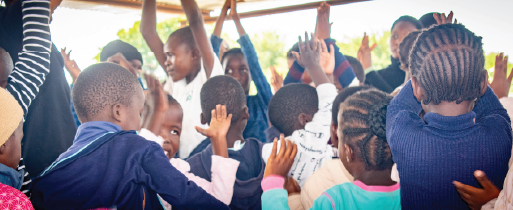
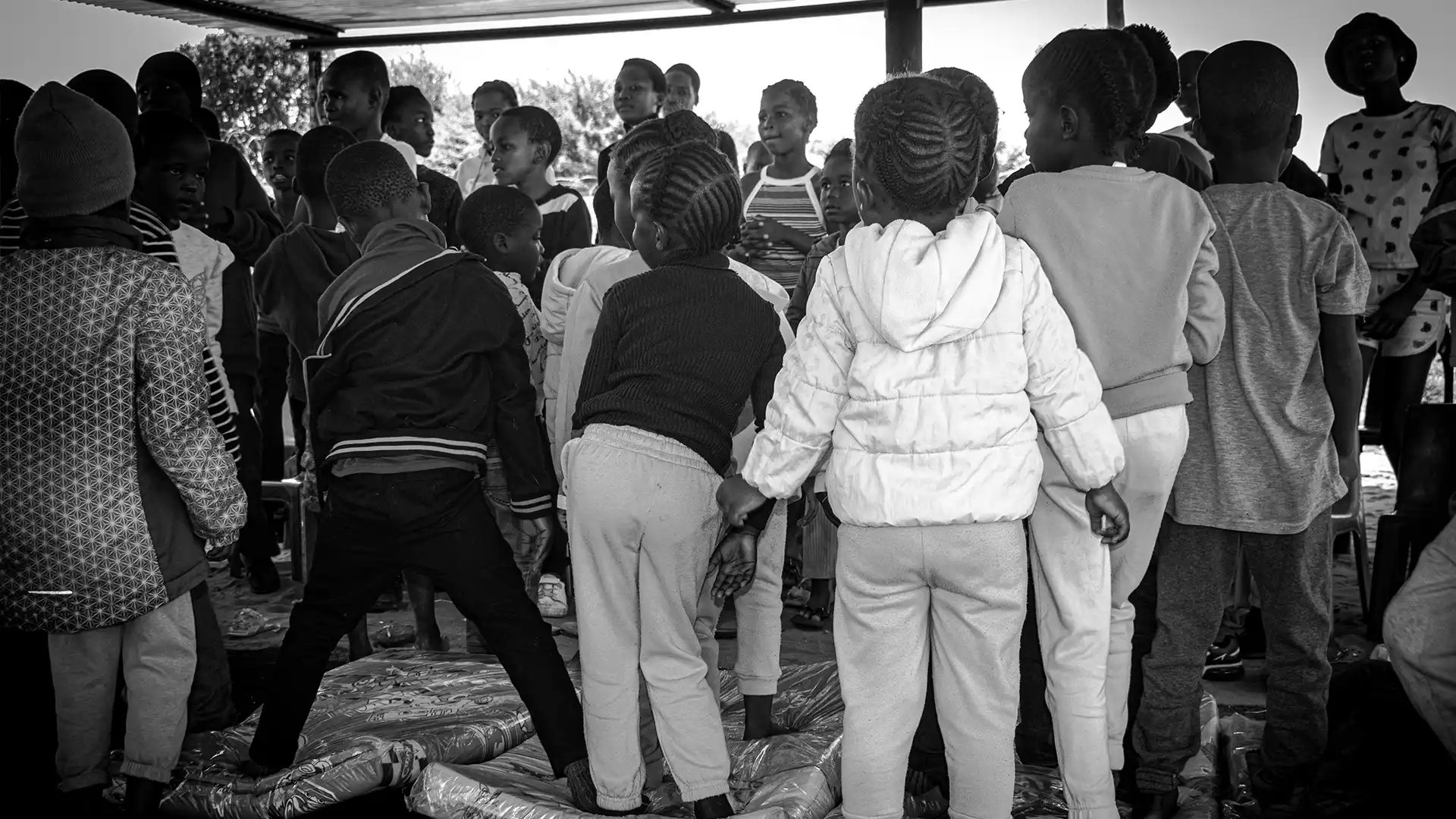
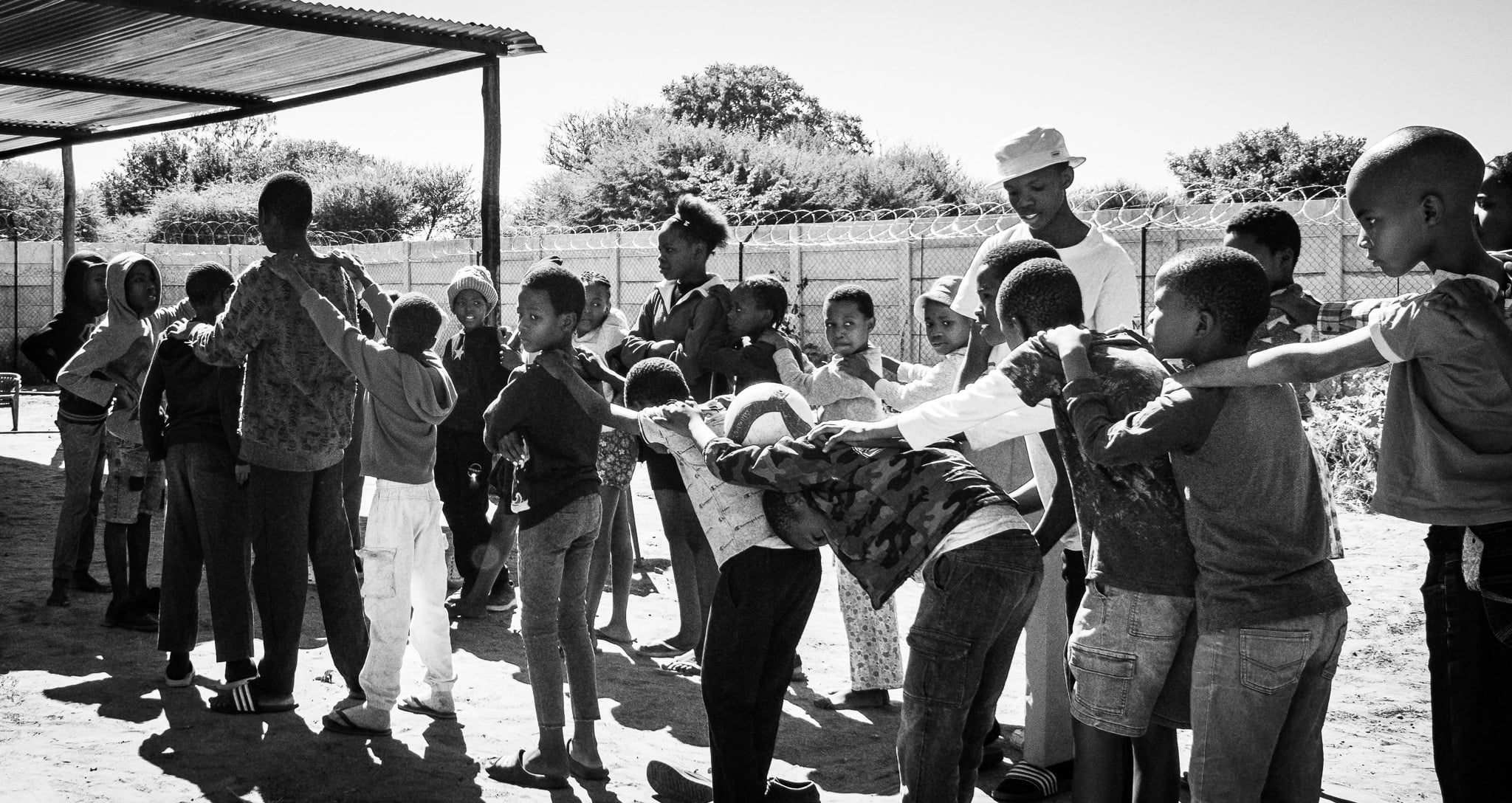
Safe after-school environments provide opportunities to learn, socialise, and receive additional support.
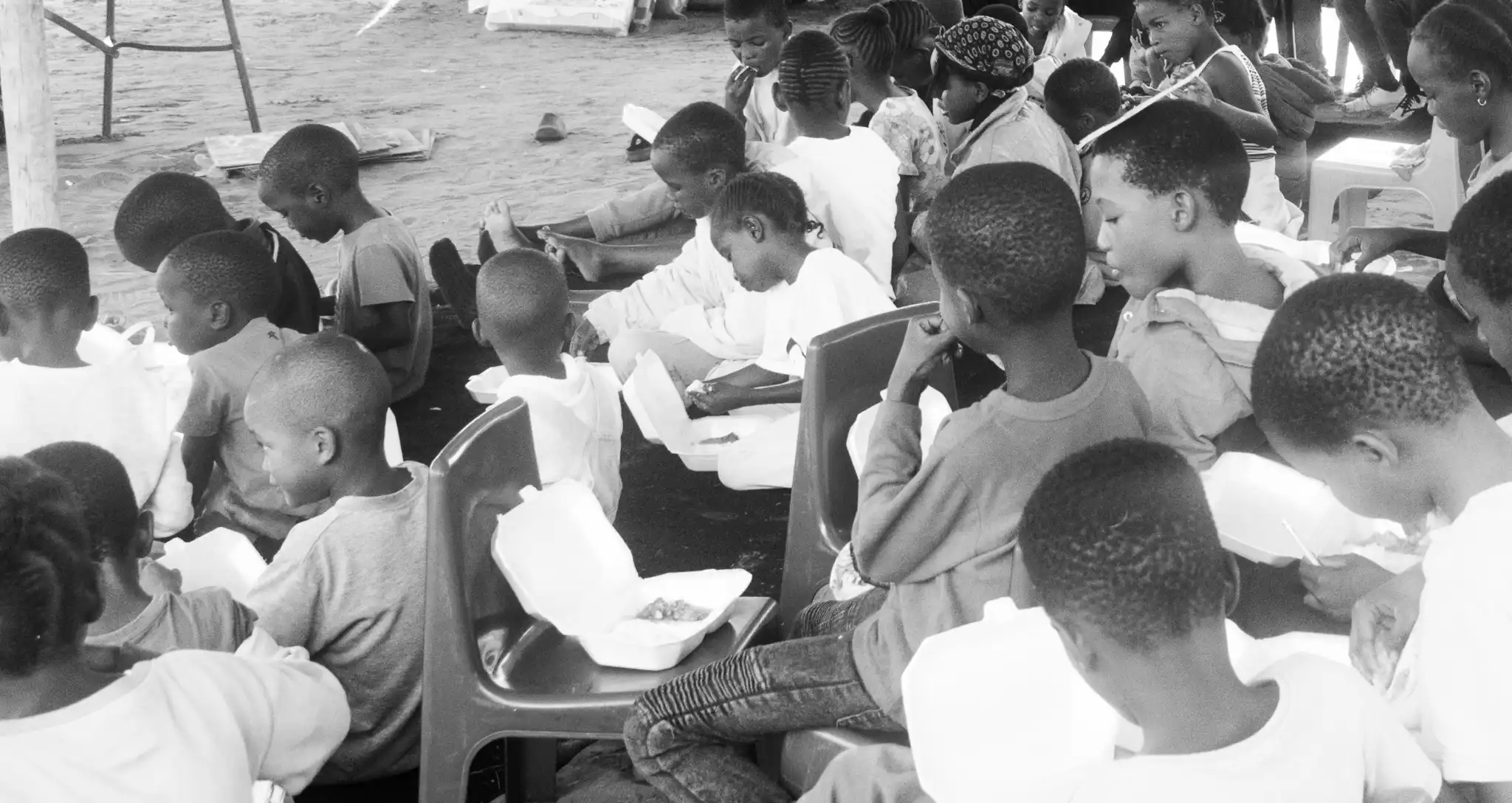
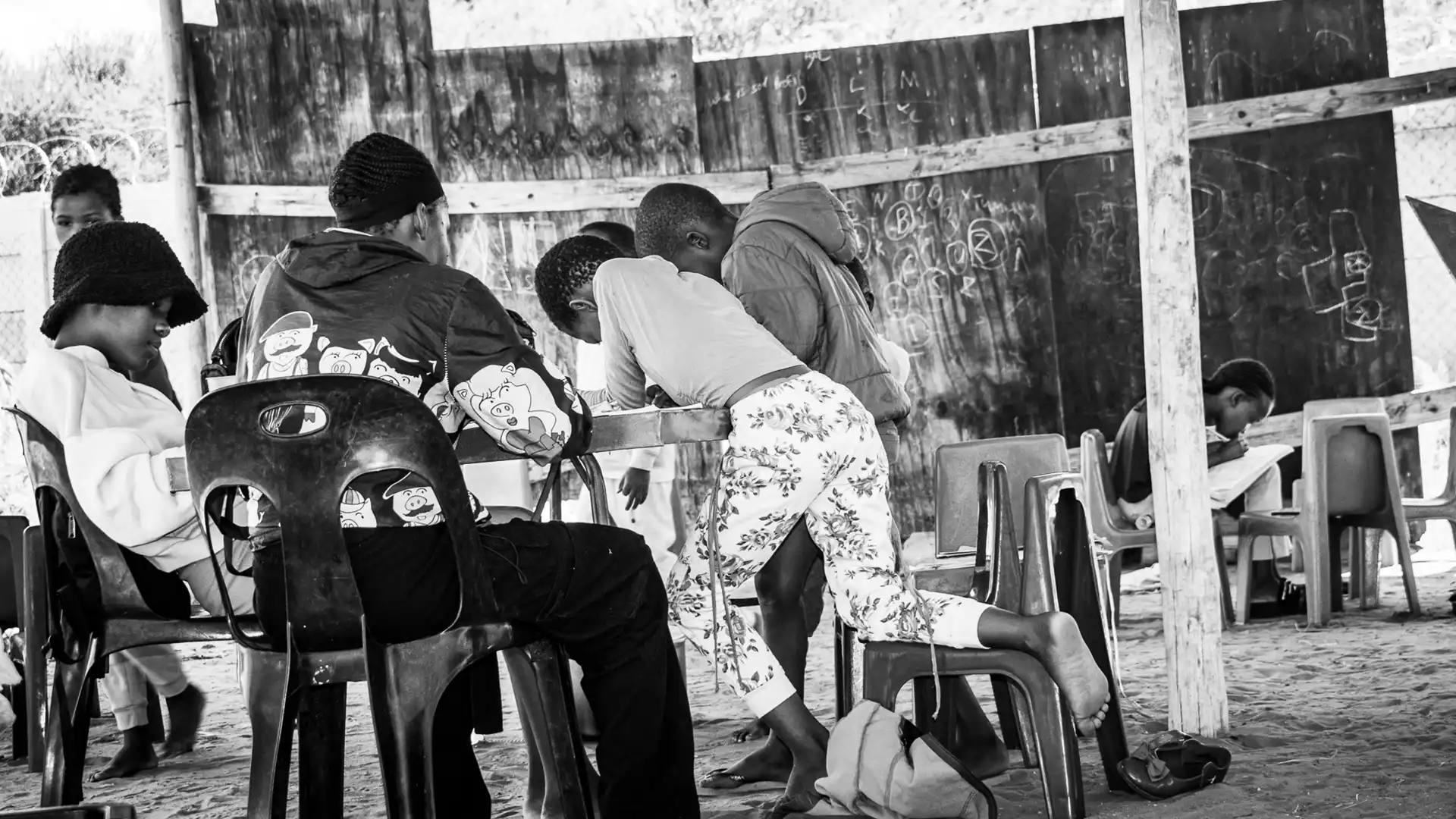
The most effective organisations create safe-space meal programs where children can:
- Receive nutritious meals
- Complete homework
- Participate in educational activities
- Build friendships
- Access positive adult role models
These programmes reduce risk while strengthening children's sense of belonging.
Questions Schools Should Ask Before Partnering
Before entering a partnership, schools should ask several important questions.
- Does the organisation have experience working with vulnerable children?
- Are safeguarding policies in place?
- How are programmes monitored and evaluated?
- Can the organisation provide references from other schools?
- How is student information protected?
- Are services delivered consistently throughout the year?
- Does the organisation collaborate with parents and caregivers?
Clear expectations help build successful, long-term partnerships.
Building Partnerships That Last
Strong partnerships are based on communication, trust, and shared goals.
Schools and NGOs should meet regularly to:
- Identify student needs
- Review programme outcomes
- Coordinate referrals
- Share feedback
- Plan future activities
When organisations work together, support becomes more coordinated and effective.
Supporting Vulnerable Youth Beyond Basic Needs
Effective vulnerable youth welfare extends beyond food and clothing.
Children thrive when they receive holistic support that includes:
- Nutrition
- Education
- Emotional wellbeing
- Mentorship
- Life skills
- Employment pathways
- Community belonging
By investing in the whole child, schools and community organisations help break cycles of poverty while creating stronger communities.
How Lehikeng Trust Partners with Schools
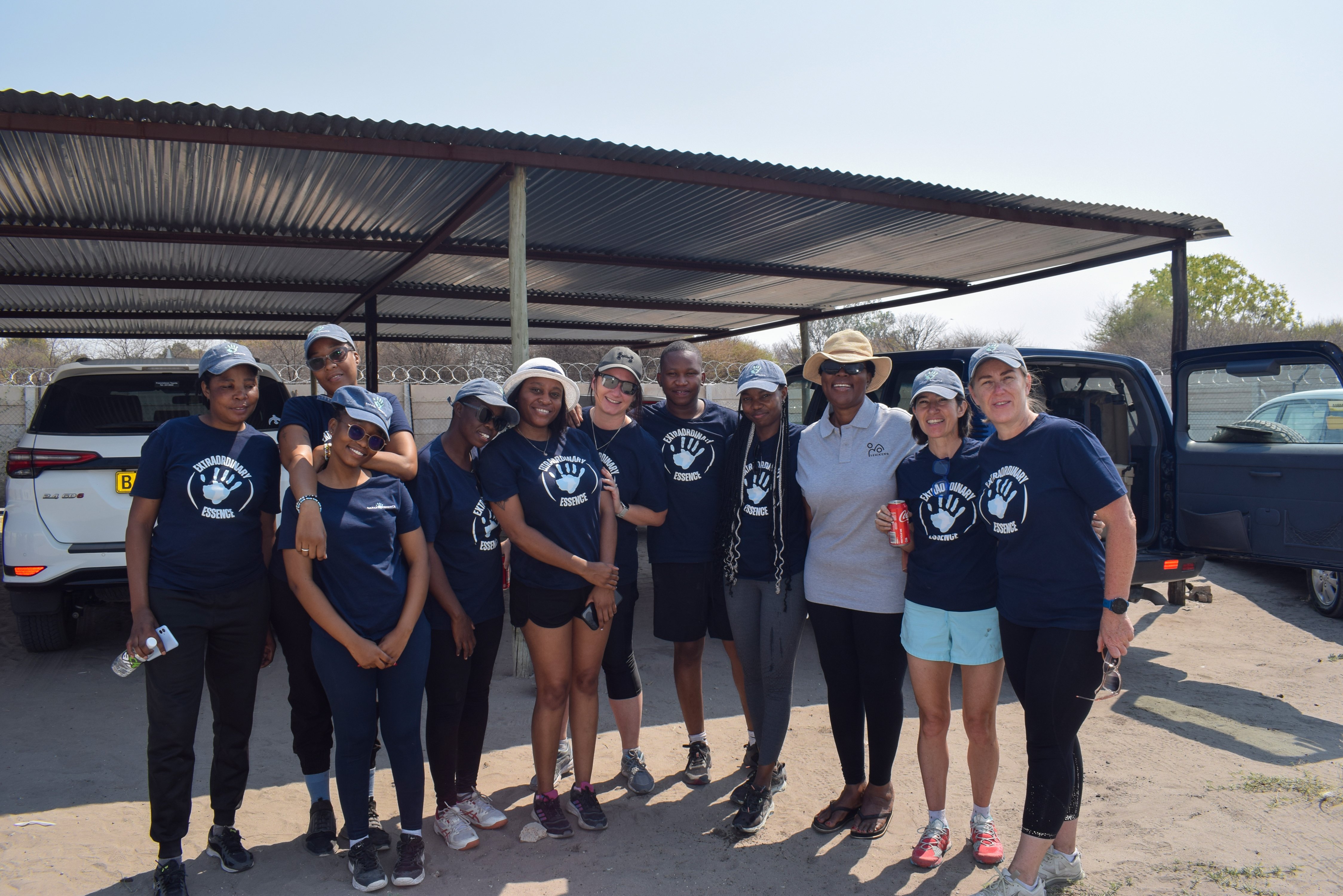
At Lehikeng Trust, we believe every child deserves the opportunity to reach their full potential.
Working alongside schools, families, volunteers, and local partners, we provide integrated support that includes:
- Weekly nutritious meals
- Educational support
- Mentorship and life skills development
- Capacity-building programmes
- Community outreach
- Internship and career development pathways
- Safe environments where children can learn, grow, and belong
Our goal is not simply to meet immediate needs, but to help children build brighter futures through sustainable opportunity.
Strong Partnerships Create Stronger Futures
Schools cannot solve every challenge alone but they don't have to.
By partnering with trusted organisations that provide social support services for vulnerable students, schools can ensure children receive the nutrition, practical assistance, emotional support, and opportunities they need to succeed.
When educators, nonprofits, families, businesses, and communities work together, every child has a better chance to thrive.
Frequently Asked Questions
What are social support services for vulnerable students?
Social support services include programmes that provide food, clothing, hygiene products, counselling, mentorship, educational support, and referrals to help students overcome barriers to learning.
Why should schools partner with NGOs?
NGOs bring specialised expertise, additional resources, volunteers, and community programmes that complement the work of schools and improve student wellbeing.
What should schools look for in an NGO partner?
Schools should evaluate an organisation's safeguarding practices, experience, programme consistency, community reputation, transparency, and ability to provide holistic support.
How do nutrition programmes help students?
Regular nutritious meals improve concentration, attendance, physical health, and academic performance while reducing the effects of food insecurity.

 Nonofo Joel
, Head of Growth at Fine Media, is an inbound marketing expert committed to business innovation and success. He passionately advances human capital development across Africa as a dedicated volunteer on the Lehikeng Board.
Nonofo Joel
Nonofo Joel, Head of Growth at Fine Media, is an inbound marketing expert committed to business innovation and success. He passionately advances human capital development across Africa as a dedicated volunteer on the Lehikeng Board.
 Partnerships
 Poverty Studies
 Partnerships
 Education
 Education