
How to Choose Youth Support Partners in Botswana for 2027
 Beauty Bogwasi
 is an accomplished Motswana author, educator, and prominent humanitarian based in Maun, Botswana, best known for founding Solid Rock, Polokong Elderly Care Center, and Lehikeng.
Beauty Bogwasi
Beauty Bogwasi is an accomplished Motswana author, educator, and prominent humanitarian based in Maun, Botswana, best known for founding Solid Rock, Polokong Elderly Care Center, and Lehikeng.
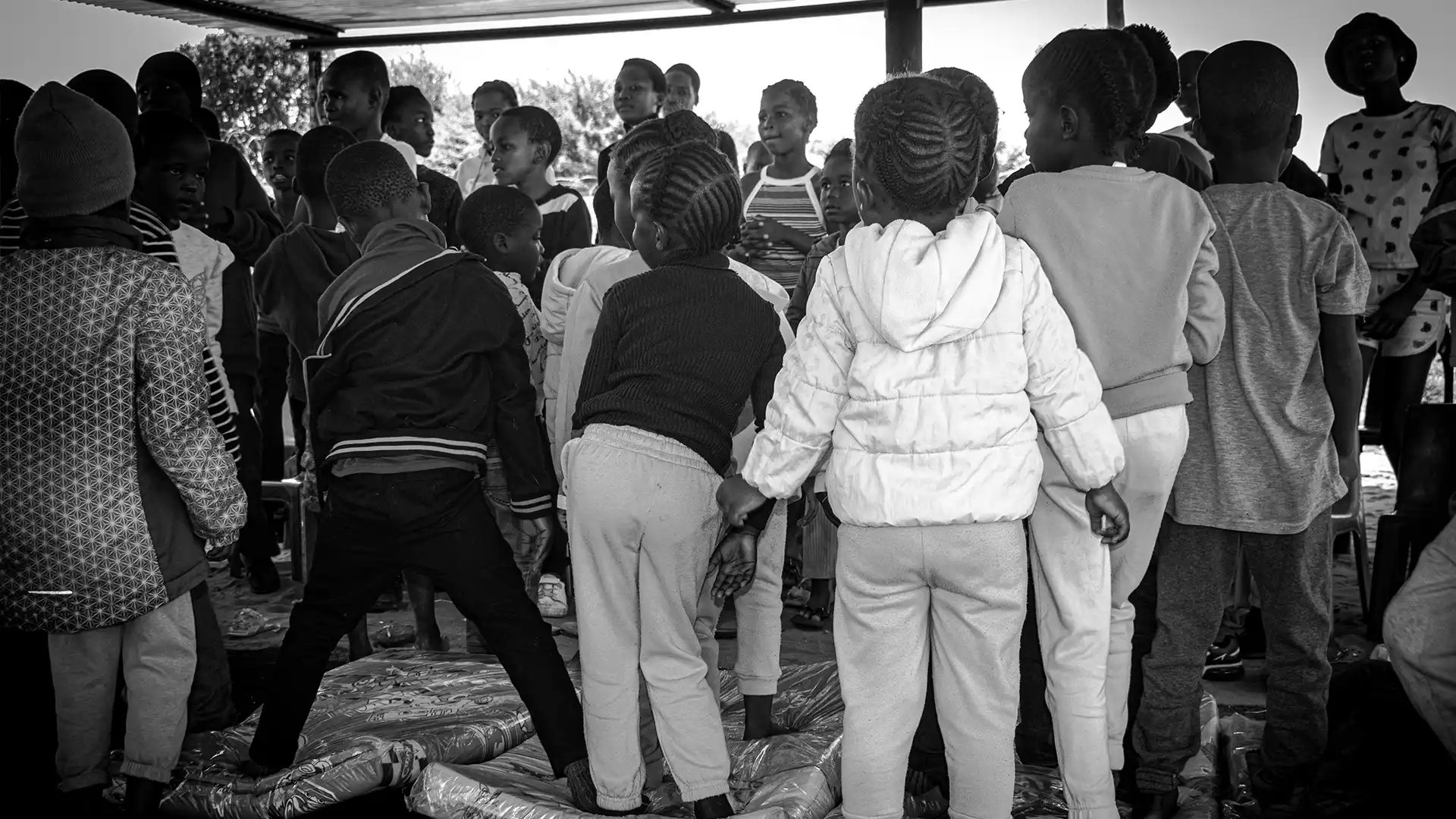
For schools and community organisations supporting vulnerable young people, identifying a child who needs help is often only the beginning.
The next question can be much harder:
Where can we find the right support?
A young person may need regular meals, clothing, counselling, mentorship, a safe place after school, or help preparing for adulthood. In some cases, several of these needs exist at the same time.
This makes choosing the right youth support services in Botswana an important decision.
The strongest partner isn't necessarily the organisation offering the longest list of services. Schools, NGOs, families, and community organisations should look for providers that are safe, locally relevant, consistent, accountable, and able to connect immediate assistance with longer-term development.
This guide explains what to look for in a youth support partner.
What Are Youth Support Services?
Youth support services are programmes designed to help children and young people overcome barriers affecting their wellbeing, development, education, and future opportunities.
Depending on the organisation, services may include:
- Nutrition and feeding programmes
- Clothing and hygiene support
- Counselling
- Mentorship
- Safe spaces
- Educational support
- Life skills
- Recreational activities
- Family support
- Skills development
- Internship and employment pathways
- Referrals to specialist services
The important distinction is that young people's circumstances differ.
A child experiencing food insecurity may require a very different intervention from a teenager who needs career guidance or psychosocial support.
Good programmes recognise this.
Why Choosing the Right Youth Support Partner Matters
Referring a vulnerable child to another organisation involves trust.
Schools and community organisations need confidence that children will be treated with dignity, protected from harm, and provided with appropriate and meaningful support.
That means looking beyond promotional claims, impressive programme lists, and well-presented websites.
A prospective partner should be able to explain:
- Who they serve.
- What they provide.
- How children are protected.
- How needs are assessed.
- How consistently programmes operate.
- What happens when a need falls outside their expertise.
- What outcomes they're working toward.
Those questions reveal much more about an organisation than the number of programmes listed on its website.
1. Start With the Young Person's Actual Needs
Before searching for a provider, understand what support is needed.
Avoid treating "vulnerable youth" as a single category.
A young person might need:
Immediate support
Food, clothing, hygiene essentials, transportation, or another practical intervention.
Psychosocial support
A trusted adult, mentoring, counselling, guidance, or specialist assistance.
Safe spaces
A consistent environment where they can eat, participate in activities, learn, socialise, and build relationships.
Developmental support
Education, confidence building, life skills, digital skills, or career preparation.
Economic opportunity
Internships, workplace exposure, entrepreneurship support, further training, or employment pathways.
Identifying the need first makes it easier to evaluate whether a particular organisation is appropriate.
2. Look for Strong Safeguarding Practices
Child Safety Should Be Non-Negotiable
Any organisation working directly with children and young people should take safeguarding seriously.
Schools and referral partners should ask potential providers about their child-protection procedures.
Look for areas such as:
- A written child safeguarding policy
- Appropriate staff and volunteer procedures
- Codes of conduct
- Clear reporting procedures
- Confidential handling of children's information
- Rules governing photography and storytelling
- Appropriate supervision
- Safe transportation practices where transport is provided
- Procedures for responding to safeguarding concerns
An organisation's safeguarding culture matters just as much as its programmes.
Children should never have to sacrifice safety or dignity to receive support.
3. Evaluate Youth Counseling and Mentoring Carefully
Not all emotional support is the same.
Youth counseling and mentoring can both play important roles, but they serve different purposes.
Mentorship might provide a young person with:
- Encouragement
- A positive role model
- Goal setting
- Personal development
- Career guidance
- Confidence building
Counselling may involve more specialised emotional or psychological support.
When evaluating a programme, ask who provides these services and what qualifications or supervision are involved.
Community organisations should also understand their limitations.
A responsible organisation should be willing to refer a child to an appropriate specialist when a need falls outside its expertise.
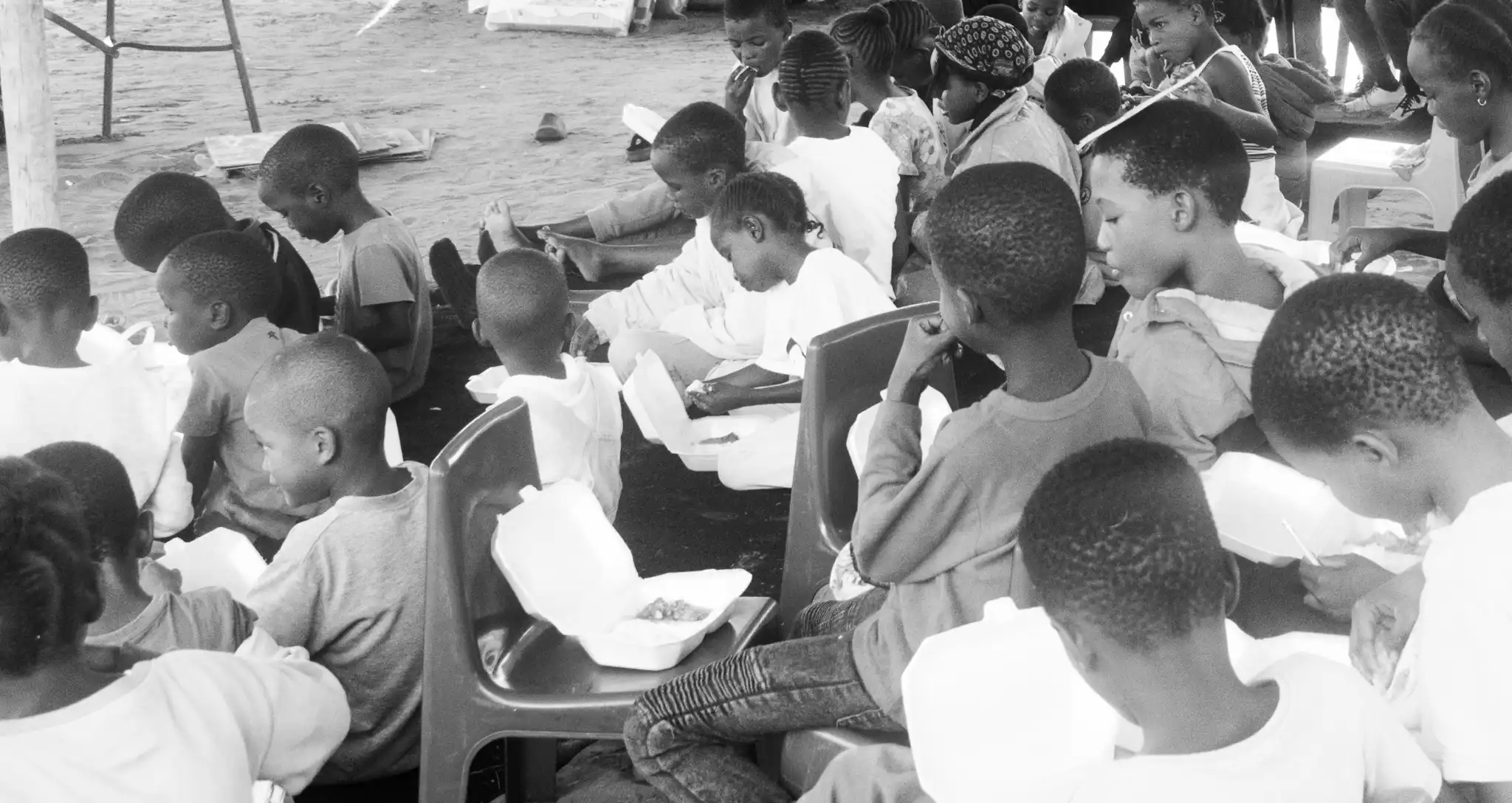
4. Look Beyond the Meal
Nutrition Can Be the Beginning of a Relationship
Feeding programmes provide vital immediate support.
But when evaluating safe-space meal and clothing programs, consider what happens around the meal.
Ask:
- Is the environment safe and welcoming?
- Is participation consistent?
- Are children supervised appropriately?
- Are staff building positive relationships?
- Are activities available?
- Can additional needs be identified?
- Are referral pathways available?
- Is children's dignity protected?
A community meal can become an important point of connection.
Regular participation allows organisations to build relationships with children and families that may eventually reveal other areas where support could help.
A meal addresses hunger. A trusted relationship can open the door to much more.
5. Consider Clothing and Hygiene Support
Suitable clothing and personal hygiene essentials can have a meaningful effect on how comfortably young people participate in school and community life.
However, distribution should be handled carefully.
Good programmes avoid unnecessarily identifying children as recipients of charity.
They should also focus on actual needs rather than simply distributing whatever items happen to be available.
Schools considering clothing-support partners can ask:
- How are needs identified?
- How are items distributed?
- Is privacy protected?
- Are donated items suitable and usable?
- Can schools or families communicate specific needs?
Dignity should be part of programme design.
6. Understand the Difference Between Safe Spaces and Rescue Centres
These terms shouldn't automatically be used interchangeably.
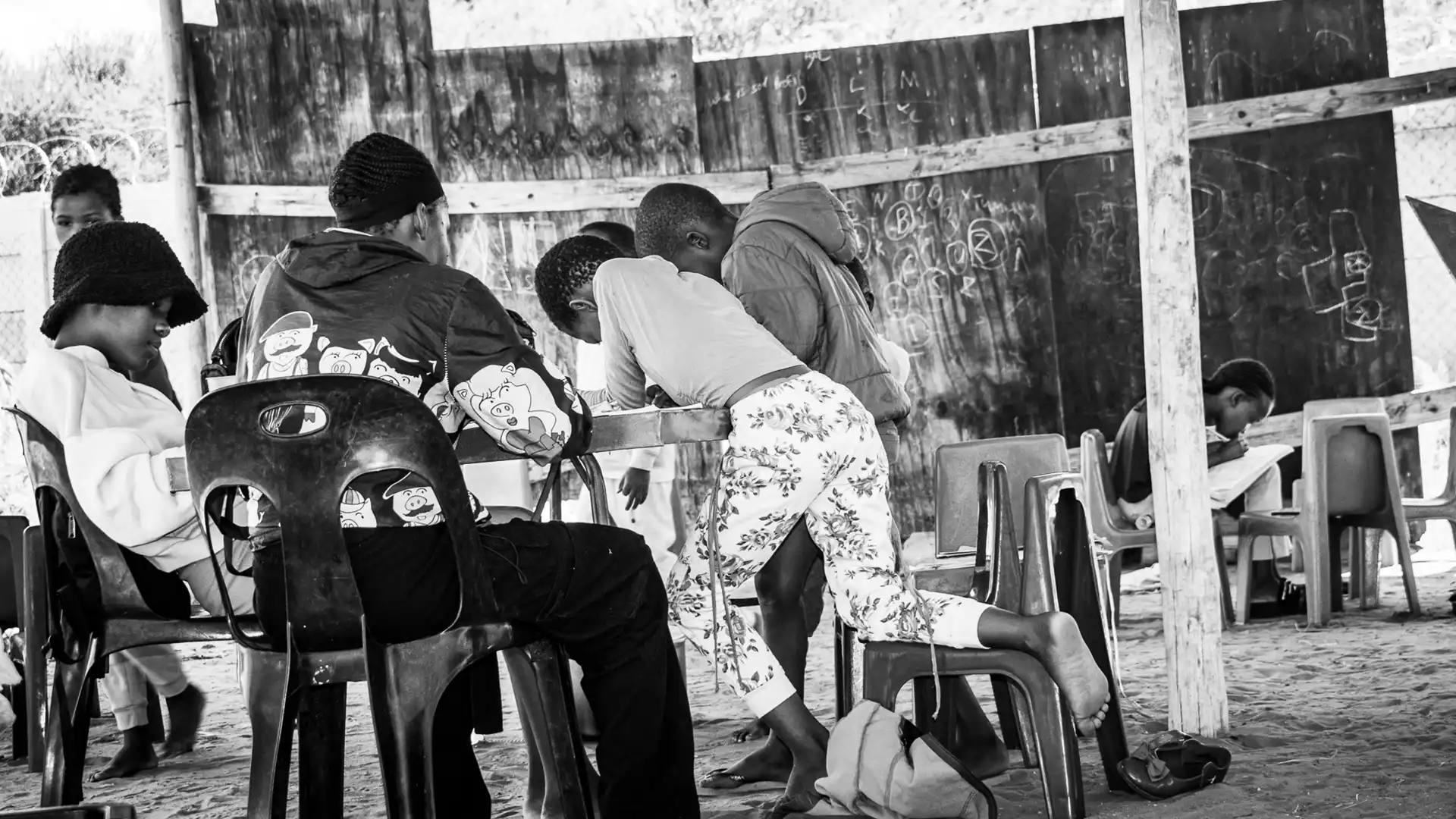
A community youth centre or safe-space programme might provide meals, mentoring, activities, educational support, and development opportunities without providing residential or emergency protection services.
A rescue centre may serve a very different function, particularly where children require emergency protection, residential care, or specialised intervention.
Schools should therefore avoid assuming that every youth organisation can appropriately handle every safeguarding situation.
Ask explicitly:
What services do you provide?
And equally importantly:
What services don't you provide?
A trustworthy organisation should be comfortable answering both questions.
7. Consider Integrated Youth Centers
Can Different Forms of Support Connect?
One increasingly valuable model is the integrated youth center.
Instead of requiring young people to navigate many disconnected programmes, an integrated centre can bring complementary services and relationships together.
For example:
- Nutrition
- Safe Space & Belonging
- Mentorship & Wellbeing
- Education
- Skills Development
- Internships
- Employment & Independence
Not every service necessarily needs to be delivered directly by the centre.
The centre can also act as a connector among young people, schools, employers, specialists, community organisations, and other appropriate services.
That coordination is what makes integration powerful.
8. Look for Consistency, Not Just Events
A once-off donation day can help.
A consistent programme can build trust.
When evaluating at-risk youth programs, ask how often programmes operate and whether the organisation has the operational capacity to maintain them.
For example, a regular feeding programme requires more than food.
There may be:
- Food procurement
- Storage
- Cooking
- Kitchen equipment
- Transportation
- Volunteers
- Staff
- Programme activities
- Safeguarding
- Cleaning
- Administration
- Monitoring
These behind-the-scenes systems are important indicators of organizational capacity.
9. Look for Local Roots
Botswana is not one homogeneous community.
The needs of young people can differ considerably between places, families, schools, and circumstances.
Locally rooted community youth support organisations can bring valuable knowledge of these circumstances.
Look for organisations that maintain genuine relationships with:
- Children and families
- Schools
- Community leaders
- Local businesses
- Volunteers
- Employers
- Other service providers
Local roots alone don't guarantee programme quality.
But combined with good governance, safeguarding, consistent delivery, and accountability, strong community relationships can be extremely valuable.
10. Ask What Happens as Children Grow Older
This is one of the most important questions to ask a youth-support organisation.
A child's needs change.
The support appropriate at age eight may be completely different at sixteen or twenty.
A programme focused on long-term development should recognise these transitions.
For older young people, look for opportunities involving:
- Life skills
- Digital literacy
- Career guidance
- Employability
- Entrepreneurship
- Workplace exposure
- Internships
- Apprenticeships
- Professional mentoring
- Employment connections
The objective should gradually shift from protection and immediate assistance toward capability and greater independence.
11. Evaluate Partnership Capacity
If you're a school, NGO, business, or community organisation, you're not simply looking for a service provider.
You may be looking for a partner.
-
Strong partners communicate.
-
They establish responsibilities.
-
They report.
-
They listen to feedback.
-
They acknowledge challenges.
-
They understand confidentiality.
And they recognise that no single organisation can solve youth vulnerability alone.
Before establishing a partnership, discuss:
- Roles and responsibilities
- Referral procedures
- Safeguarding
- Communication
- Programme costs
- Reporting
- Data protection
- Expected outcomes
- Partnership duration
- Review processes
Clarity at the beginning prevents confusion later.
12. Look for Evidence of Impact
Be careful with numbers that sound impressive without context.
"5,000 young people reached" tells you very little unless you understand what "reached" means.
Instead, ask what the organisation measures.
For example:
- Children participating regularly
- Meals served
- Programme attendance
- Mentorship participation
- Training completion
- Internship placements
- Employment outcomes
- Volunteer participation
- Referrals
- Programme retention
Quantitative results should ideally be accompanied by qualitative evidence such as beneficiary experiences, programme observations, partner feedback, and documented outcomes.
A Practical Youth Support Partner Checklist
Schools and organisations can use this when evaluating potential partners.
Area What to Look For
- Local presence: Established relationships within the community
- Safeguarding: Policies, procedures and responsible child protection
- Nutrition: Consistent, safely delivered food support
- Basic needs: Dignified clothing, hygiene or practical assistance
- Wellbeing: Appropriate mentorship, counselling or referral
- Safe spaces: Supervised and supportive environments
- Education: Learning or educational-development opportunities
- Skills: Life, digital, employability or practical skills
- Opportunity: Internships, career exposure or employment pathways
- Operations: Capacity to deliver programmes consistently
- Measurement: Clear activities, outputs and intended outcomes
- Partnerships: Ability to work with schools, families and other providers
- Transparency: Clear communication about capabilities and limitations
No organisation needs to tick every box.
What matters is understanding which role the organisation can responsibly play within the wider support network.
The Lehikeng Model
At Lehikeng, our approach is rooted in Maun and the wider Ngamiland community.
We work with underserved children and young people through programmes designed to connect immediate support with longer-term development.
Our model is built around four interconnected areas:
Nutrition First
Regular meals and appropriate basic-needs support help establish a foundation for participation and development.
Health, Wellbeing & Belonging
Safe environments, relationships, mentorship, and personal development help young people feel supported and valued.
Education & Opportunity
Educational support and capacity building help young people develop confidence and practical skills.
Pathways Toward Independence
Internships, career development, partnerships, and employment opportunities help older young people take steps toward sustainable futures.
The intention is not to create dependency.
It is to help young people move from immediate support toward greater stability, capability, and opportunity.
The Lehikeng Youth Centre
Our Building Project is an important part of that long-term vision to build an Integrated Model.
The planned Lehikeng Youth Centre will provide a permanent home where programmes can increasingly come together.
The vision includes spaces supporting areas such as:
- Nutrition
- Education
- Digital skills
- Mentorship
- Personal development
- Community participation
- Employment pathways
Rather than simply constructing a building, we're working toward infrastructure that can strengthen a locally rooted support ecosystem for children and young people.
-
A place to eat.
-
A place to learn.
-
A place to belong.
-
A place to prepare for what comes next.
How Organisations Can Partner With Lehikeng
Schools, educational NGOs, businesses, foundations, and community organisations can contribute in different ways.
Partnership opportunities can include:
- Student referrals where appropriate
- Sponsoring feeding activities
- Food and essential-supply donations
- Programme funding
- Transportation support
- Equipment
- Professional volunteering
- Mentorship
- Skills development
- Internship placements
- Employment pathways
- Building Project support
The strongest partnerships start with a conversation about what young people need and where each organisation can contribute most effectively.
Choosing the Right Partner Is Really About Choosing the Right Pathway
When evaluating youth support services in Botswana, don't ask only what an organisation gives away.
- Ask what happens next.
- Does a meal lead to consistent engagement?
- Can a young person access mentorship?
- Is there somewhere safe to participate?
- Can additional needs be recognised?
- Are schools and families involved?
- Can older youth access skills and opportunities?
- Is safeguarding taken seriously?
Does the organisation know when another specialist should become involved?
Those questions reveal whether you're looking at an isolated intervention or part of a genuine youth-support ecosystem.
For vulnerable young people, that distinction matters.
Because the ultimate goal isn't simply to help someone through today's difficulty.
It's to help create the conditions in which they can build tomorrow.
Frequently Asked Questions
What youth support services are available in Botswana?
Youth support can include nutrition, clothing and hygiene assistance, safe spaces, mentoring, counselling, education, skills development, career preparation and employment pathways. Availability varies significantly by provider and location.
What should a school look for in a youth support partner?
Prioritise child safeguarding, appropriate services, consistency, community relationships, clear referral procedures, transparency and evidence that the organisation can reliably deliver what it promises.
What is an integrated youth centre?
An integrated youth centre connects several complementary forms of support around young people, potentially including nutrition, wellbeing, education, mentorship, skills development and employment pathways.
Are safe spaces and rescue centres the same?
Not necessarily. A community safe space may provide supervised programmes and support without offering residential or emergency protection services. Schools should verify the exact capabilities of each provider.
Why are meal programmes important for vulnerable youth?
Meals address an immediate nutritional need and, when delivered consistently in a supportive environment, can also provide an important point of connection between young people and wider community support.
What is the difference between mentoring and counselling?
Mentoring generally focuses on guidance, encouragement, development and positive relationships. Counselling can involve more specialised emotional or psychological support and should be provided by appropriately qualified or supervised people.
Can businesses partner with youth organisations?
Yes. Businesses can contribute funding, supplies, transport, equipment, professional expertise, volunteers, mentorship, internships and employment opportunities depending on the organisation's needs.
How can an organisation partner with Lehikeng?
Schools, NGOs, businesses and other organisations interested in supporting children and young people can contact Lehikeng to discuss programme, referral, volunteering, in-kind, employment or longer-term strategic partnership opportunities.
Tags
Download the Partner Guide
Get the practical guide for partners who want to support, fund, or collaborate on high-impact work.
Related Posts
 Poverty Studies
Why Rural Children Face a Different Poverty Reality in Botswana
 Partnerships
How Safari Essence and Endeavour Safaris Helped Kick-Start the Lehikeng Building Project
 Partnerships
What Is a Good NGO Partner for Vulnerable Students?
 Education
What Is School Welfare Support?
 Education